The beloved FIFA World Cup has brought its competitors and the city of New York has brought it’s team spirit. With a kick-off time at 3:00 PM Eastern, fans of Spain and Argentina line the streets, funnel into sports bars and even line up to get into New Jersey transit.
MetLife Stadium, located in East Rutherford, New Jersey, is the home of nine total FIFA 2026 games, including the big finale that all fans of Argentina and Spain, as well as some fans of the defeated teams, have been rooting for. The streets have been lively for the last month and a half here in NYC with excited people looking forward to the clash of Argentina’s star Lionel Messi and up and coming Lamine Yamal from Spain. What team am I rooting for, you may ask? Well, whatever team wins. Frankly, it’s just nice to have a change of pace and scenery from the everyday. Sure, there are tourists about all the time but the air is different (and not just because of the forest fires invading Canada) and more lively.

While I may not be a major sports fan myself, there is little to no difference in how humans psychologically interact with the adrenaline rush of their favorite team scoring a goal versus me in a queue for a concert or waiting for a game to come out and hoping its good.
A psychology professor by the name of Daniel Wann that teaches at Murray State University in Kentucky discusses a few key points into why people follow sports so closely. One of Doctor Wann’s examples include a sense of belongingness. Engaging with sports is a way of being social with their peers. I engage similarly with video games, where I talk about my own interests and find a group that I can fit in with to talk about opinions, mutual or not. People root and hope for the best, discuss, in a hopefully civilized manner, about their hopes for outcomes and future of either their team, or in my case, how a game will be viewed by audiences.
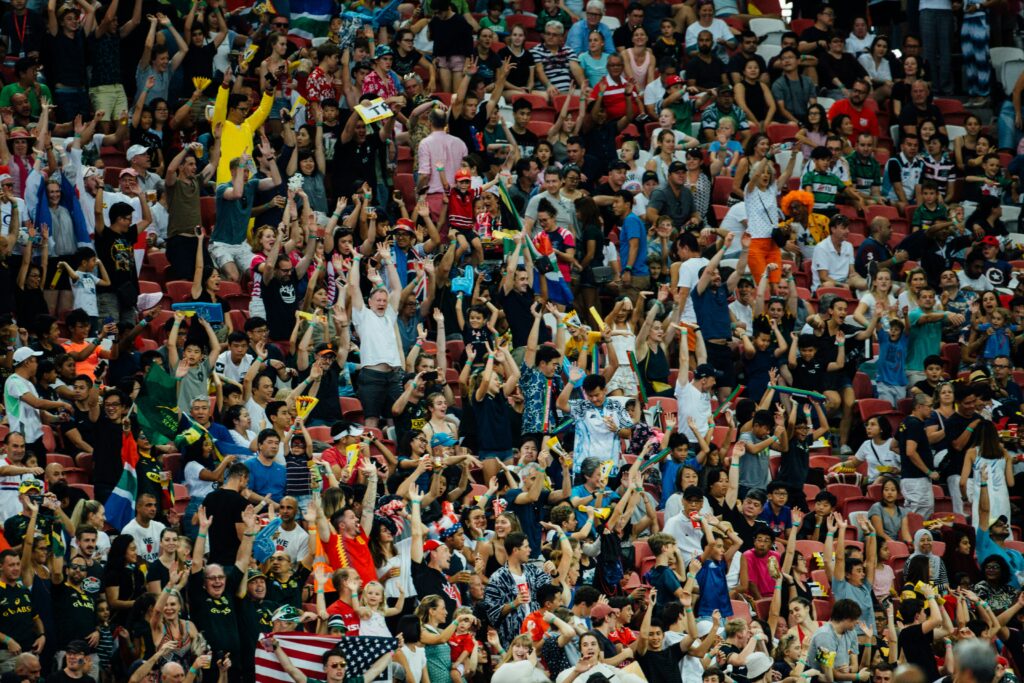
It also brings a sense of uniqueness to the table. On top of the sense of belonging, there’s also a difference in what your “favorites” are, in a sense. In the article, Doctor Wann talks specifically about how different a person’s line-up for who they root for can be. The same can be said about what a person’s favorite type of game is versus their actual favorite title. Some results if you ask people this question could be shocking.
There is a lot to be said about the positive psychological impact of sports and that it relates a lot more to non-sports people than others may think. The paths even cross sometimes, consider e-sports for example. Teams are created, people watch from around the world and there are even championships for certain competitive games, just like physical contact sports. It gets people riled up and hyped for similar reasons, the adrenaline rush.
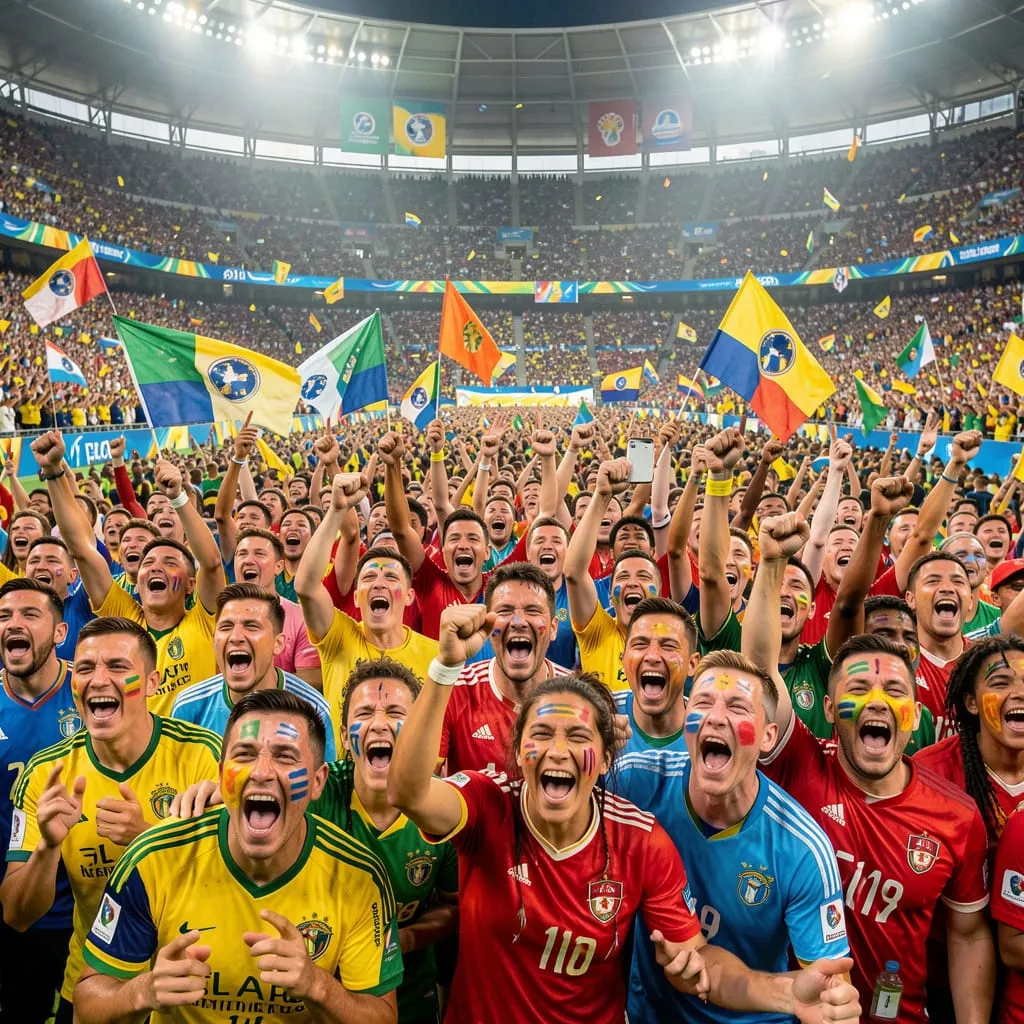
Note: Please be aware that the last picture IS AI. This post is for a school assignment. I do not condone the use of AI for creative purposes like photography, art or other artistic endeavors. The use of AI in this case was strictly educational.